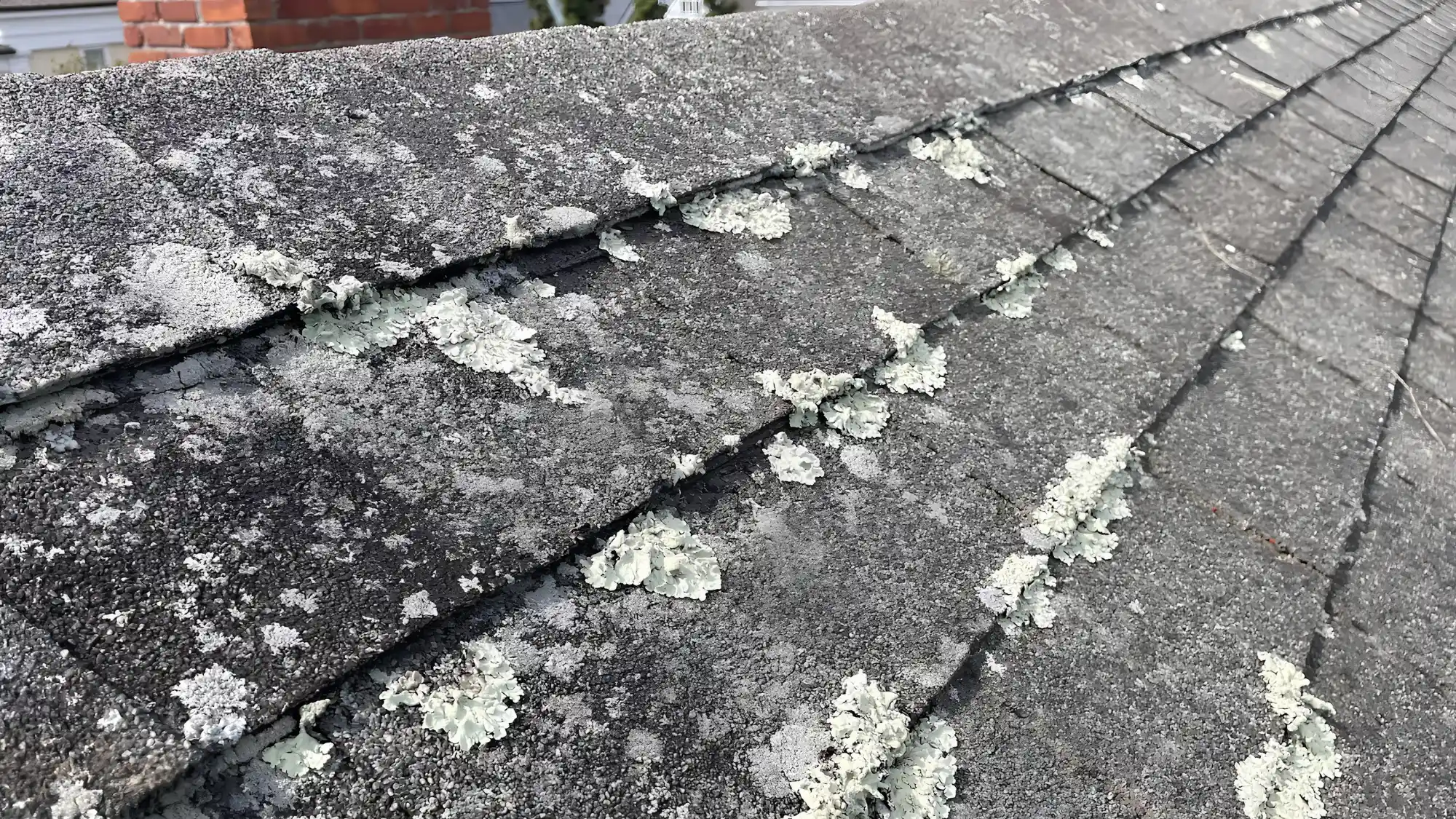
Warning Signs Your Roof Needs Professional Attention Before October Storms Lead to Costly Repairs
October brings changing weather conditions, falling leaves, and seasonal storms that can expose existing roofing problems. Damaged shingles, ceiling stains, and deteriorating flashing may seem minor at first, but these warning signs can indicate problems that require professional attention.
For homeowners in Pawcatuck, CT, preparing their roofs before fall storms can help reduce the risk of water damage and unexpected repair expenses. If you have been searching for a reliable “roof company near me“, Pawcatuck Roofing can help assess roofing concerns and recommend appropriate repairs before conditions worsen.
Why Roof Damage Should Not Be Ignored Before October Storms
Fall weather can place additional stress on roofing systems, particularly when strong winds, heavy rainfall, and accumulated debris affect vulnerable areas. Existing damage may allow moisture to enter the home, leading to problems that extend beyond the roof itself.
Common consequences of delaying necessary roof repairs include:
- Structural Damage: Prolonged water exposure can weaken roof decking, ceiling materials, and other structural components.
- Mold Growth: Persistent moisture in attics and interior spaces can create conditions that support mold growth.
- Increased Repair Costs: Small roofing problems can become more extensive when exposed to repeated rainfall and seasonal storms.
- Interior Water Damage: Roof leaks can damage insulation, ceilings, walls, and personal belongings.
Addressing visible warning signs before severe weather arrives can help homeowners protect their properties and plan necessary maintenance.
Common Warning Signs Your Roof Needs Professional Attention
Recognizing early signs of roofing problems can help prevent more extensive damage during October storms. Some concerns are visible from the ground, while others may require a professional roof inspection.
Ceiling Stains and Interior Water Damage
Brown or yellow stains on ceilings and walls may indicate water intrusion. Roof leaks are one possible cause, particularly when stains appear after heavy rainfall. Plumbing leaks and condensation can also produce similar symptoms.
If stains continue to grow, feel damp, or appear alongside peeling paint, arranging an assessment can help identify the moisture source before additional damage occurs.
Missing, Cracked, or Curling Shingles
Roofing shingles protect underlying materials from rain and wind. When shingles become cracked, loose, curled, or missing, exposed areas may become vulnerable to water intrusion.
Strong October winds can worsen existing shingle damage, making timely repairs especially important before seasonal storms.
Damaged Roof Flashing
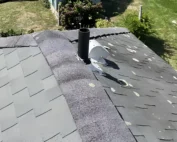
Flashing helps direct water away from vulnerable roof areas, including chimneys, vents, skylights, and roof valleys. When flashing becomes loose, corroded, or improperly sealed, moisture may enter through surrounding openings.
A roofing professional can inspect these components and determine if repairs or replacements are necessary.
Clogged Gutters and Water Accumulation
Falling leaves and debris can block gutters and downspouts during autumn. When drainage systems become clogged, rainwater may overflow and contribute to moisture problems around roof edges, siding, and foundations.
Keeping gutters clear and checking for drainage concerns can help reduce water-related damage during heavy rainfall.
Sagging Roof Areas and Visible Deterioration
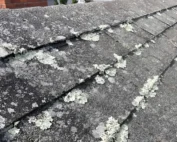
A sagging roofline or visibly deteriorating roof surface may indicate underlying structural concerns. These conditions can develop from prolonged moisture exposure, damaged support materials, or other roofing problems.
Avoid walking on damaged roof areas or entering spaces beneath visibly unstable sections. Contact a qualified professional for an assessment.
What Happens During a Professional Roof Inspection?
When homeowners contact a roof company near me before October storms, a professional inspection can help identify existing damage and determine which repairs should receive attention.
A typical roofing assessment may include:
- Initial Consultation: Discussing visible damage, previous leaks, recent storms, and concerns about the roof’s condition.
- Exterior Roof Inspection: Checking accessible shingles, flashing, roof penetrations, and other roofing components for signs of deterioration.
- Interior Assessment: Reviewing accessible attic spaces and interior areas for moisture stains, damaged materials, or evidence of water intrusion.
- Findings and Recommendations: Explaining identified problems and discussing suitable repair or replacement options.
Professional inspections can identify many visible roofing concerns, although some concealed problems may require additional investigation.
Roofing Solutions That Can Help Prepare Your Home for Fall Storms
The appropriate roofing solution depends on the type, location, and extent of the damage. After evaluating the roof, a qualified roofing contractor may recommend one or more of the following services.
- Targeted Roof Repairs: Repairing localized damage, addressing leaks, and replacing compromised shingles.
- Flashing Repairs: Repairing or replacing damaged flashing around chimneys, vents, and other roof openings.
- Roof Maintenance: Addressing debris accumulation and visible deterioration that may affect the roofing system.
- Complete Roof Replacement: Recommending replacement when widespread deterioration, extensive damage, or the roof’s overall condition makes repairs insufficient.
Taking care of roofing problems before severe weather can help reduce the likelihood of additional damage during the fall season.
FAQs
What are the most common signs that my roof needs repairs?
Common warning signs include missing shingles, ceiling stains, damaged flashing, recurring leaks, and visible roof deterioration. A professional inspection can help determine the cause and appropriate repair options.
Should I schedule a roof inspection before October storms?
Scheduling a roof inspection before seasonal storms can help identify damaged shingles, compromised flashing, and other roofing concerns. Addressing these problems early may reduce the risk of additional water intrusion during heavy rainfall.
How often should homeowners have their roofs inspected?
An annual professional roof inspection is a useful general practice. Additional inspections may be appropriate after severe storms, high winds, or visible signs of damage. Inspection frequency can also depend on the roof’s age, material, and condition.
Can damaged shingles cause roof leaks during heavy rainfall?
Yes. Cracked, missing, or loose shingles can expose underlying roofing materials to moisture. Heavy rainfall and wind-driven rain may increase the likelihood of water entering vulnerable areas.
When should I contact a professional roofing company?
Contact a qualified roofing contractor when you notice persistent leaks, damaged shingles, ceiling stains, loose flashing, or visible structural concerns. Prompt attention can help prevent roofing problems from becoming more extensive.
Protect Your Roof Before October Storms Arrive
October storms can reveal roofing problems that have developed over time. Paying attention to ceiling stains, missing shingles, damaged flashing, and other warning signs can help homeowners make informed decisions about roof maintenance and repairs.
If you are searching for a dependable roof company near me in Pawcatuck, CT, Pawcatuck Roofing can help evaluate roofing concerns and discuss appropriate repair options.
Contact Pawcatuck Roofing to request a roof inspection or quote before seasonal weather creates additional problems.